
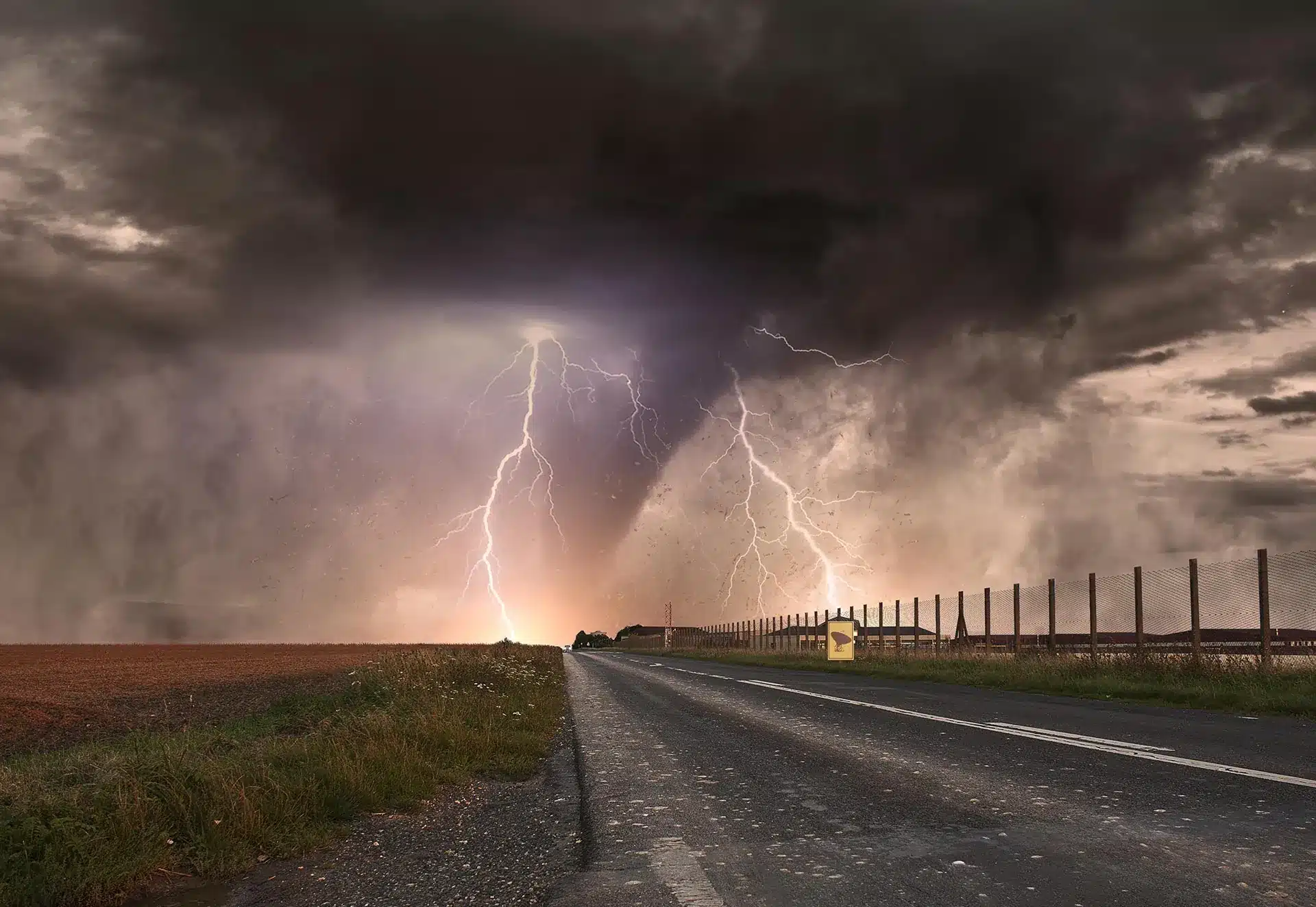
Hail and Wind Roof Damage in Columbus and Central Ohio
After a storm, record what you can see safely, address active leaks and arrange an assessment when damage is suspected.
Missing shingles deserve prompt attention, but a roof that looks unchanged from the driveway may still need inspection. Ground-level observations help describe the problem; they cannot establish the full condition of the roof or whether an insurance policy covers repairs.
Start with safety and timely documentation
Wait until conditions are safe before looking outside. Stay clear of fallen wires, unstable branches and damaged roof edges. Avoid ladders and roof access. For an active leak or an opening in the roofing, contact a qualified roofer about available assessment and temporary-protection options.
If you suspect a storm-related loss, contact your insurer or agent promptly and ask what information they need. Do not wait for a contractor’s report before notifying them. The NAIC’s claims guidance recommends documenting losses and contacting the insurer as soon as possible because reporting deadlines apply.
Your photographs and videos are useful evidence. Keep the original files, note the storm date and when you first noticed the problem, and save receipts for temporary protection. Ask the insurer about preserving damaged materials and documenting work that cannot wait.
What you can record from the ground
- Displaced shingles or roof debris: photograph the location and identify the roof slope if visible.
- New interior stains or dripping: record the room, time and whether rain is still falling.
- Dented gutters or vents visible from below: document them without assuming the shingles have the same damage.
- Granules at downspout outlets: photograph unusual accumulation without climbing to inspect the gutter channel.
Granules alone do not prove a hail strike or establish its date. GAF’s roof-condition guidance notes that occasional granule loss is normal. An inspector needs to evaluate the roof surface and other possible causes.
How hail and wind can affect asphalt shingles
GAF’s technical bulletin on hail damage describes impact-related indentations, surface fractures and granule loss. Where the granules and asphalt coating are displaced, the fiberglass mat may be exposed. The mat can also fracture beneath the surface, making some damage difficult to identify immediately.
An impact mark does not automatically mean the entire roof needs replacement. The assessment should distinguish storm-related damage from ordinary wear, installation defects and other marks, then explain the extent and appropriate repair scope.
Wind can loosen shingle seals, crease tabs, tear material or remove shingles. A tab that lies flat afterward may still be damaged. Missing shingles can leave underlying layers vulnerable, although they do not always expose bare roof decking. Ask the roofer to check adjacent shingles and accessible roof details as well.
Neither a shingle’s wind rating nor a nearby wind report proves the speed that reached your roof. Attachment, seals and existing condition matter when evaluating the damage.
Use Central Ohio storm records as supporting context
The National Weather Service Wilmington event archive collects summaries of significant regional weather events. Look for the event date and reported locations, and retain the source link with your notes. Regional reports can help describe the weather around Columbus; they do not establish what happened on an individual roof.
Preliminary Local Storm Reports relay observations from sources such as spotters, officials and the public. A nearby report is not a measurement at your address, and the absence of a report for your street does not rule out a localized event.
The NWS uses hail at least one inch in diameter as a severe-thunderstorm criterion. That is a weather classification, not a universal threshold for shingle damage or insurance coverage. Do not postpone assessment of visible damage because the reported hail was smaller.
Decide what the roof assessment needs to answer
If shingles are missing or water is entering, explain that when booking. If there is no obvious damage but you observed hail, describe the event and any changes you noticed. A neighbor’s claim is a reason to pay attention, not proof your roof has the same condition.
For a roof inspection, ask which areas can be accessed, whether interior leak symptoms can be assessed and what photographs or written findings are included. Request a clear distinction between observed damage, suspected causes and areas that could not be inspected.
Separate the repair findings from the coverage decision
A roofer can describe roof condition and propose work. Your insurer evaluates the claim under your policy. Ask about wind or hail deductibles, exclusions, reporting deadlines and how the roof settlement is calculated. Neither a contractor’s certification nor a description of damage as “functional” guarantees payment.
The NAIC’s roof coverage explanation distinguishes replacement cost from actual cash value, which accounts for depreciation. Ask your insurer which applies and what requirements affect payment. A contractor’s estimate alone cannot tell you the amount the insurer will pay.
If the contractor and adjuster describe different work
Compare the estimates by location and item: affected slopes, shingles, flashing and any separately identified damage. Ask for photographs and an explanation of why each proposed repair is needed. A price difference by itself does not establish that damage was overlooked.
Send specific questions and supporting evidence to your insurer under the existing claim. Ask whether review, reinspection or a supplemental estimate is appropriate. Additional payment depends on the insurer’s assessment and policy terms; submitting more documentation does not guarantee approval.
Plan the work around the findings
A localized problem may suit roof repair. More extensive damage may warrant discussing roof replacement. Before signing, review the scope, materials and exclusions. Our guide to hiring a Columbus roofer covers questions to ask when comparing contractors.
Supreme Roofing & Exterior serves Columbus and surrounding communities. Contact us for a free estimate or email info@supremeexterior.com. Include your address, the storm date and any safely taken photographs. Check our service area for nearby communities we serve.